
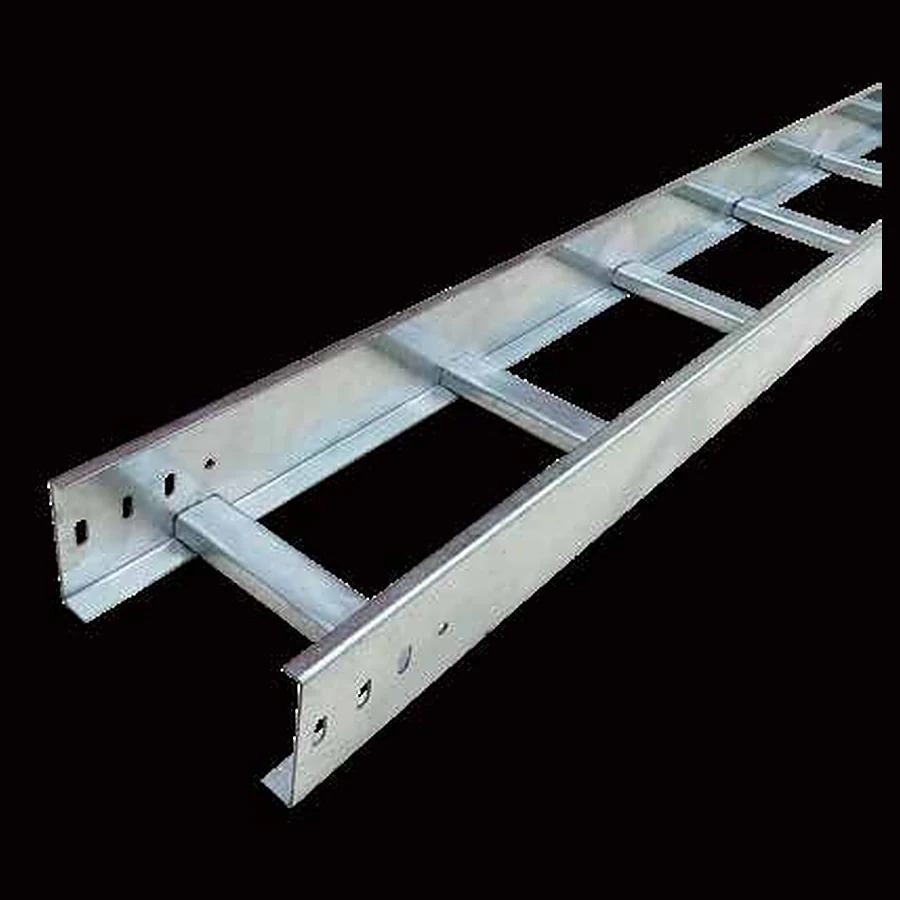
Cable Ladder (Hot-Dip Galvanized) (CTM-CL) is a cable ladder from Cable Tray Master. Key specs: 100–1000 width range (mm), 150–300 rung pitch (mm), A–E iec 61537 load class.
Cable Ladder · Factory-Direct
The long-span ladder for heavy power runs
A hot-dip galvanized steel ladder with strong C-channel rails and open rungs, for long spans and heavy power cables in substations, tunnels and process plants. Made in our own plant to a confirmed load case.
- Made in our own factory (manufacturer + exporter)
- Widths 100 – 1000 mm, rung pitch 150 – 300 mm
- IEC 61537 load classes, confirmed per span
We reply within one business day with spec, price and lead time.
Why Cable Tray Master
A manufacturer you can buy direct from, and audit
Cable Tray Master is a cable tray manufacturer and exporter under one owner. We make the tray on our own line in China and ship it with our own export team, so the price is factory-direct, the specification is made to order, and buyers are welcome to visit and audit the plant.
Built for heat and load
The fully open ladder structure lets heavy power cables shed heat on every side, so they hold their current rating, while strong C-channel rails carry the load and span further between supports.
Fewer supports, longer runs
Because the rails do the structural work, a ladder bridges a longer gap between hangers than a tray of similar weight, which means less steel and a faster install on a long run.
Made to a confirmed load case
Rail height, thickness, width and rung pitch are produced to your cable weight and support span, classified to IEC 61537, rather than a rough approximation.
What the CTM-CL is, and who it is for
A cable ladder is the tray you choose when the run is long and the cables are heavy. Instead of a solid or slotted floor, it is built from two strong C-channel side rails joined at intervals by rungs, so the cables rest on the rungs with air on every side. That fully open structure is the point: large power cables heat up under load, and a ladder lets that heat escape far better than any tray, which keeps the cables within their rating.
The strength lives in the side rails. Because they carry the load, a ladder can span further between hangers than a tray of similar weight, which means fewer supports over a long run and a lighter, faster install for the same route. That is why ladders are the default in substations, power plants, tunnels, cable trenches and oil-and-gas plants, where runs are long and cables are large.
This version is hot-dip galvanized after fabrication, so the whole surface, including the punched rung fixings and cut edges, is protected for outdoor, tunnel and corrosive environments. It is made in our own factory to a confirmed width, rail height, rung pitch and thickness, and ships with the matching bends, tees, reducers and supports so the run is built from one system.
Specifications
Technical specifications
Confirmed per order. We send the full spec sheet, including sizes, thickness and finish, before you buy.
| Type | Cable ladder (side rails + rungs) |
|---|---|
| Rail profile | C-channel side rail |
| Width | 100 – 1000 mm |
| Rail height | 50 – 150 mm |
| Rung pitch | 150 / 250 / 300 mm |
| Sheet Thickness | 1.5 – 3.0 mm (confirmed per order) |
| Standard Length | 2 m / 3 m / 6 m (confirmed per order) |
| Material | Cold-rolled / galvanized steel |
| Surface Finish | Hot-dip galvanized (HDG) |
| Load class | IEC 61537 Class A–E, typical (confirm per span) |
| Certification | Available on request |
| Origin | Made in China (our own factory) |
| MOQ | Confirm on inquiry |
Rail height, thickness, rung pitch, finish and load class are confirmed per order and per span before production. Load classes reflect the IEC 61537 range for this product type; we do not print figures we cannot back up.
Built to do the job on site
Fully open airflow
Cables rest on rungs with air on every side, so heavy power cables shed heat and stay within their rating.
Long span between supports
Strong C-channel side rails carry the load, so the ladder spans further between hangers than a tray of similar weight.
Rung pitch to suit
Rungs at 150, 250 or 300 mm pitch give regular fixing points and support the cable weight along the run.
Hot-dip galvanized
Dipped in molten zinc after fabrication so even the rung fixings and cut edges are protected outdoors.
Made in our own plant
Rail height, width, rung pitch and thickness built to your spec, not picked from stock.
Matched fittings
Bends, tees, reducers and supports supplied with the ladder so the whole route is one system.
How it works
Why a ladder for heavy runs
A ladder carries its load on two side rails, leaving the space between the rungs completely open. For heavy power cables, that open structure lets heat escape on all sides, so the cables stay cooler and hold their current rating. It also means the rails, not a thin floor, do the structural work, so the ladder can bridge a longer gap between supports. On a long substation or tunnel run, that is fewer hangers, less steel and a faster install.
Choosing a load class and span
IEC 61537 classifies cable support systems by safe working load across a span, typically from Class A up to Class E for the heaviest duty. The right class depends on the weight of your cables and how far apart the supports can go. We do not print a single load figure on this page, because the real answer depends on your cables and support spacing. Tell us the cable weight per metre and the support span, and we confirm the rail height, thickness and class for that case.
Where it fits on the job
Long, heavy power runs
Strong side rails carry heavy power cables over long spans in substations, tunnels and process plants, while the open rungs let the cables shed heat on every side.
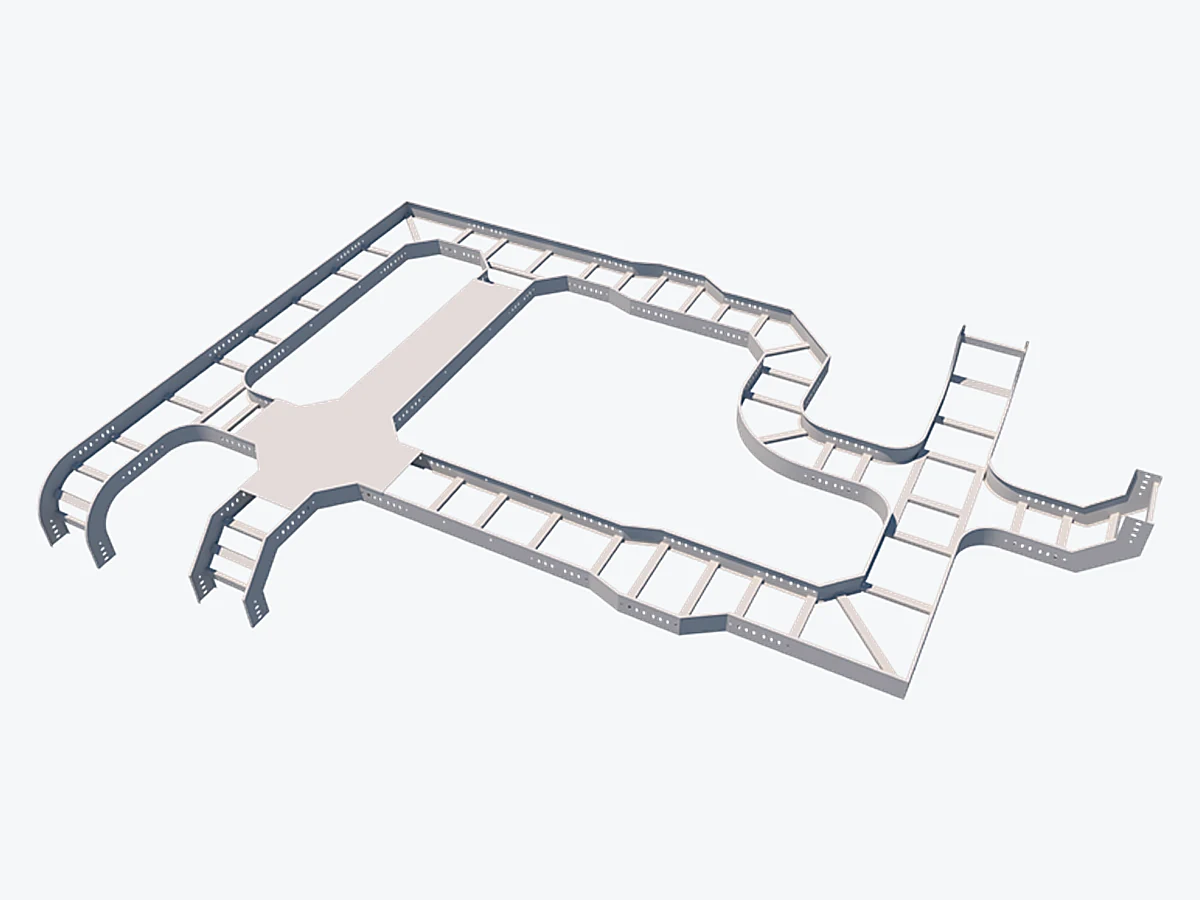
One matched ladder system
Straight ladder plus a full family of bends, tees, reducers and supports, so corners, branches and level changes are all built from a single system.
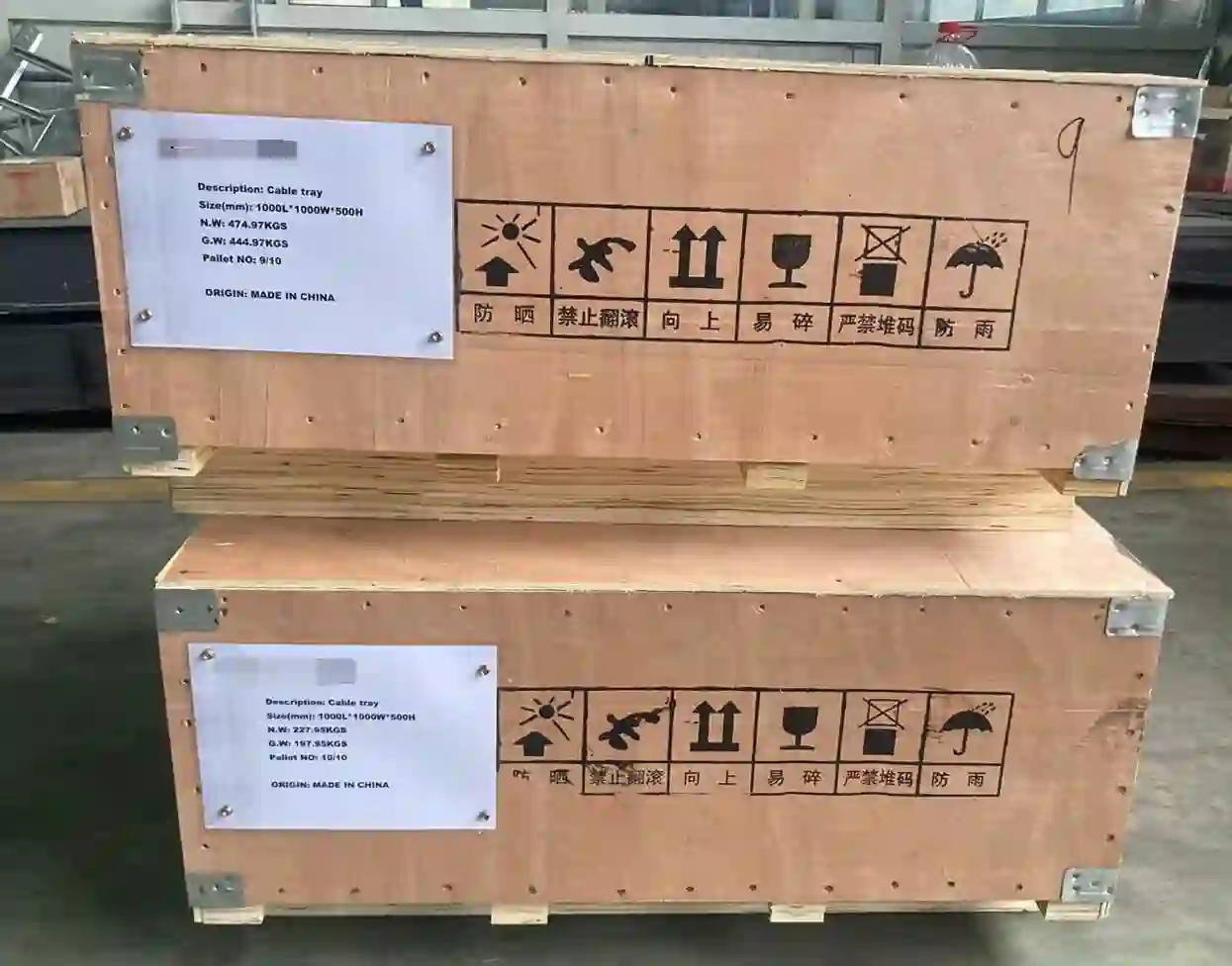
Crated and marked for export
Nested and packed into plywood export crates on wooden pallets, labelled with description, size, net and gross weight and origin, ready for the port.
Sourcing & Trust
Where this tray comes from, in plain terms
We would rather tell you exactly what we are than dress it up. Here is the honest picture of who makes the tray and what we can document.
Our own factory in China
Made on our own line by a manufacturer and exporter under one owner. Buyers are welcome to visit and audit the plant before ordering.
Ask us to arrange a plant tour.
Export-experienced packing
Nested and crated on wooden pallets with international shipping marks, the way we already ship overseas orders.
Real export packing photos shown on this site.
Load and documentation on request
Load class, test data and compliance documents are confirmed per span and per market. Tell us your cable weight, support span and destination and we confirm what applies.
Load classes shown reflect the IEC 61537 range for this type of product. We confirm the exact class for your cable weight and support span before production, and do not print load figures or certifications we cannot back up.
Downloads
Catalogue, datasheet and guides
Everything your buying team needs to spec and quote the tray. Ask us for anything not yet posted and we will send it the same day.
Cable Ladder Datasheet
Rail heights, widths, rung pitch and finishes.
Request a copyProduct Catalogue (PDF)
The full Cable Tray Master range, sizes and finishes.
Request a copyOEM / Custom
Made to your project: width, height, thickness and finish to spec, with OEM marking and packaging. Buyers are welcome to audit the plant.
01
Power and utility contractors
Long, heavy runs in substations, power plants and distribution, where open airflow and long spans between supports matter most.
02
Oil, gas and tunnel projects
Corrosion-resistant hot-dip ladder for cable trenches, tunnels and process plants, made to a confirmed load case.
03
EPC and project buyers
Made-to-spec rail height, rung pitch and finish for a project bill of materials, produced at our own plant.
Frequently Asked Questions
When should I use a cable ladder instead of a tray?
What load can the ladder carry?
What rung pitch is available?
What finishes are available?
Do you supply the fittings and supports?
Can we visit the factory?
Get a quote for CTM-CL
Tell us the width, finish, quantity and destination. We reply within one business day with the section, price and lead time.